
By using our website, you agree to the use of cookies as described in our Cookie Policy
What Should You Look for When Touring Homes in Nashville?
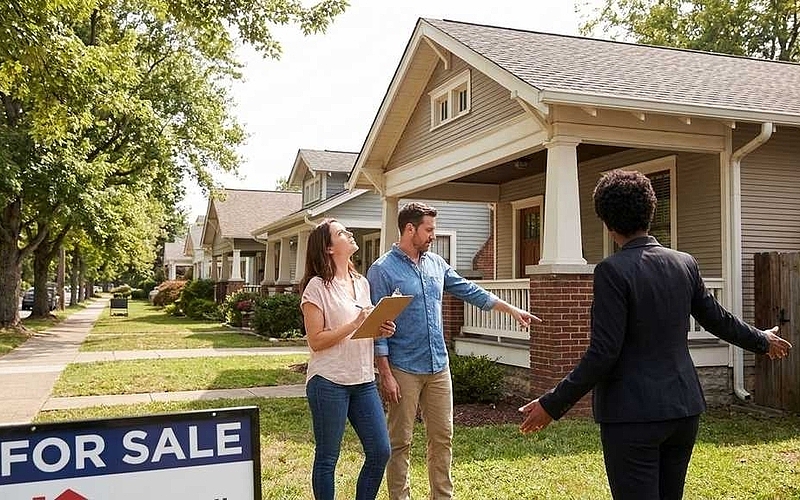
Nashville real estate doesn't wait for indecision. Homes move fast, bidding wars erupt overnight, and buyers who show up unprepared get left behind. Touring a property isn't about falling in love with subway tile or hardwood floors—it's about spotting red flags, understanding what you're actually buying, and knowing whether the bones justify the price tag.
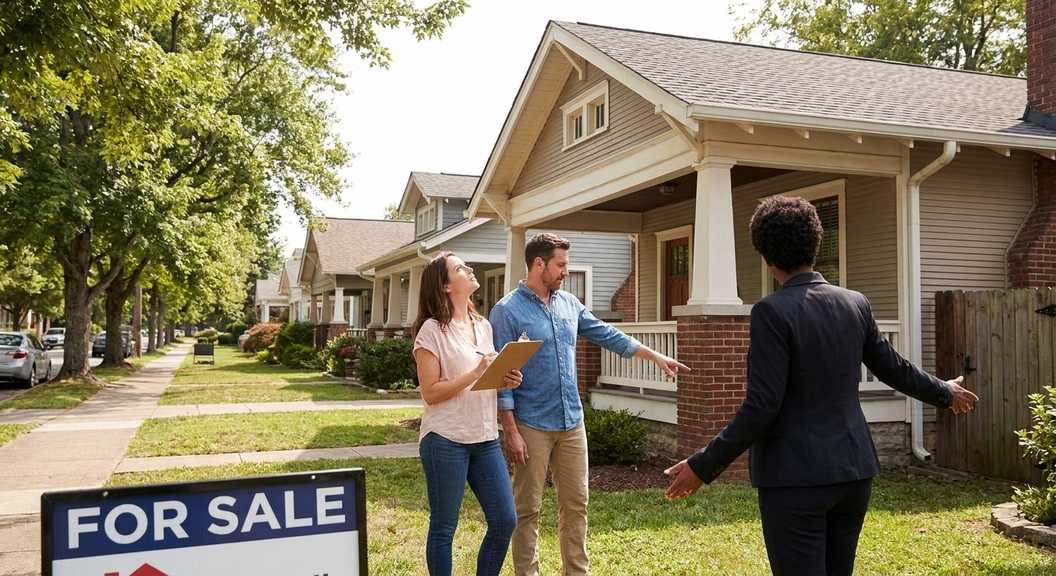
We've walked through enough Nashville houses to know where things fall apart. And it's rarely the stuff that shows up in listing photos. The foundation tells a story. The HVAC whispers warnings. The neighborhood holds clues the realtor won't mention. If you want to make a smart move in Music City, you'd better know what to look for before you start making offers.
Neighborhoods Tell the Real Story
Forget the granite countertops for a second. The zip code matters more than the finishes. Nashville's neighborhoods vary wildly—what works in East Nashville won't fly in Brentwood, and what's trendy in The Nations might not hold value in five years. We're talking proximity to work, school zones, traffic patterns, and whether the street floods every time it rains.
Drive the area before you even schedule the tour. Check out the corner store, the gas station, the condition of neighboring lawns. A gorgeous house surrounded by neglect is a gamble, not an investment. Pay attention to development—is the area improving or stagnating? Those details shape resale value faster than any renovation ever will.
Curb Appeal Isn't Just Vanity
The exterior tells you how serious the previous owner was about maintenance. Peeling paint, cracked driveways, and overgrown shrubs aren't just cosmetic issues—they're symptoms. If they couldn't be bothered to mow the lawn, what did they ignore inside the walls?
Check the roof line for sagging. Look at gutters for rust or separation. Notice how water drains away from the foundation. Nashville's clay soil shifts, and poor grading leads to water intrusion, foundation cracks, and thousands in repairs. A nice front porch won't fix a basement that floods.
Foundation and Structure Come First
Cracks in drywall aren't always cosmetic. Doors that stick, floors that slope, windows that won't close—these are signals. Nashville sits on expansive clay, and foundation movement is common. Minor settling is one thing. Major structural issues are another.
We're not saying walk away from every crack, but you'd better know what you're looking at. Ask about foundation repairs. Check for fresh paint that might be hiding problems. If the seller swears everything's fine but won't provide documentation, that's your cue to bring in an inspector before you get emotionally attached.
HVAC, Roof, and Water Heater Are the Big Three
These systems cost serious money to replace, and they don't last forever. Ask for ages and maintenance records. If the HVAC is original to a 20-year-old house, budget for replacement—it's coming. Same with the roof. A worn-out water heater isn't a deal breaker, but it's leverage.
Nashville summers are brutal, and a failing air conditioner in July isn't just uncomfortable—it's expensive. Check the unit outside for rust or damage. Listen for strange noises. If the house feels stuffy or unevenly cooled, that's a problem. Don't assume the seller will fix it. Most won't.
Layout Should Match How You Live
Open concept is trendy, but it's not for everyone. Walk through the house and imagine your daily routine. Does the flow make sense? Are the bedrooms far enough from common areas for privacy? Is there a spot for a home office, or will you be taking Zoom calls from the kitchen table?
Staging can trick you into seeing potential that isn't there. Ignore the furniture and focus on the bones. Measure rooms if you need to. A "spacious master" that can't fit your bed is a problem, no matter how good the photos looked online.
Kitchens and Bathrooms Cost the Most to Redo
Outdated kitchens and bathrooms aren't red flags—they're negotiation points. But water damage is different. Check under sinks for stains or soft spots. Look around tubs and showers for caulking failures or tile cracks. Peek inside cabinets for signs of leaks.
If the kitchen appliances are ancient, factor in replacement costs. If the countertops are laminate from 1987, decide whether you're okay with that or ready to renovate. We've seen buyers fall in love with a house, then panic when they realize the kitchen remodel will cost $40,000.
Here's what to check in kitchens and baths:
- Water pressure and drainage in sinks and showers
- Condition of grout, caulking, and tile
- Cabinet functionality and storage capacity
- Age and efficiency of appliances
- Signs of mold, mildew, or water stains
Storage Space Disappears Fast
Nashville homes, especially older ones, weren't built for modern closet expectations. Check every closet, pantry, and storage nook. If you're moving from a newer build with walk-ins everywhere, you might be shocked at what passes for storage in a 1950s bungalow.
Basements and attics can help, but only if they're functional. A damp basement isn't storage—it's a mold factory. An attic with no flooring or access isn't useful. If storage matters to you, make sure it's actually there, not just theoretically possible.
Natural Light and Airflow Matter More Than You Think
Dark, stuffy houses feel smaller and less inviting. Open every blind and curtain during your tour. See how much natural light actually hits each room. North-facing rooms stay dim. Small windows in bedrooms can feel claustrophobic.
Check for ventilation, especially in bathrooms and kitchens. Exhaust fans should work. Windows should open easily. Poor airflow in Nashville's humidity leads to mold, musty smells, and comfort issues. If the house feels stale or damp, that's not something fresh paint will fix.
Noise Levels Change Throughout the Day
Nashville's charm includes live music, busy streets, and active nightlife. That's great until you're trying to sleep and a bar three blocks away is still going strong at 2 a.m. Tour the house at different times if possible—morning, afternoon, and evening.
Listen for traffic, train horns, airplanes, or nearby businesses. Stand outside for a few minutes. If you hear constant noise during a Tuesday afternoon showing, imagine what Friday night sounds like. Some buyers love the energy. Others need peace and quiet. Know which one you are before you make an offer.
Outdoor Spaces Need Inspection Too
Decks rot. Fences sag. Yards flood. Walk the entire property, not just the interior. Check deck boards for soft spots or loose railings. Look at fencing for damage or leaning posts. Notice how the yard drains after rain—standing water is a red flag.
Here's what to evaluate outside:
- Condition of decks, patios, and walkways
- Fencing quality and property line clarity
- Drainage patterns and grading
- Tree health and proximity to the house
- Privacy from neighbors
Electrical and Plumbing Hide Problems
Flip every switch. Run every faucet. Flush every toilet. Outdated electrical panels can't handle modern loads, and replacing them isn't cheap. Look for outlets that don't work or breakers that look ancient.
Water pressure issues, slow drains, or weird noises from pipes all point to plumbing problems. Ask about the age of the plumbing. Galvanized pipes eventually fail, and repiping a house is a major expense. If the water looks rusty or smells off, walk away or negotiate hard.
Permits and Renovations Tell a Tale
That gorgeous addition or remodeled bathroom might look great, but was it permitted? Unpermitted work can haunt you during resale or create insurance headaches. Ask the seller for permit records. If they dodged inspections, you're inheriting that risk.
DIY projects are another concern. Some homeowners are skilled. Others are dangerous. Look for signs of shoddy work—uneven tile, outlets installed crooked, paint over wallpaper. If it looks amateurish, it probably is.
Resale Value Starts the Day You Buy
Even if you plan to stay for decades, market trends matter. Nashville neighborhoods shift. What's hot today might cool off tomorrow. Research sales trends, planned infrastructure, and zoning changes. A great house in a declining area is a financial trap.
Work with an agent who knows Nashville's micro-markets. They'll tell you which streets hold value and which ones are overhyped. Don't rely on gut feelings or seller promises. Use data.
Questions to Ask Every Time
Don't leave a tour without answers. Sellers and agents expect questions—smart buyers ask them. If they dodge or seem annoyed, that's information too.
- Why is the seller moving?
- How long has the house been on the market?
- What's included in the sale?
- Have there been any insurance claims or major repairs?
- What are the average utility costs?
Red Flags You Shouldn't Ignore
Some issues are negotiable. Others are deal breakers. Fresh paint everywhere might be hiding water stains. A basement that smells like mildew has moisture problems. Sellers who refuse to provide disclosures are hiding something.
Trust your instincts, but verify them with professionals. A home inspection is non-negotiable. So is a thorough title search. Don't skip steps because you're in a hurry or afraid of losing the house. Better to lose a bad deal than inherit a nightmare.
Common Mistakes That Cost Buyers
Falling in love with a house before you've done your homework is the fastest way to overpay or overlook problems. Emotional decisions lead to regret. Stick to your budget, your must-haves, and your deal breakers.
Here's where buyers stumble most:
- Skipping the inspection to speed up closing
- Ignoring neighborhood research
- Overlooking future repair costs
- Trusting seller estimates without verification
- Making offers based on listing photos alone
When to Walk Away
Not every house is worth pursuing, no matter how good the price looks. Major foundation damage, active mold, or a location you'll regret in six months—those are exits, not opportunities. Know your limits and respect them.
If the seller won't negotiate or provide basic information, move on. Nashville has plenty of inventory through property search tools. The right house will check your boxes without requiring you to compromise your sanity or your wallet.
Professional Help Pays for Itself
A good buyer's agent, a thorough inspector, and a sharp real estate attorney will save you far more than they cost. They catch issues you'll miss, negotiate terms you wouldn't think of, and keep the process moving without legal or financial disasters.
Here's the help worth paying for:
- Experienced buyer's agent who knows Nashville neighborhoods
- Licensed home inspector with local market knowledge
- Real estate attorney for contract review
- Mortgage broker who shops multiple lenders
- Contractor for renovation estimates if needed
Touring Smart Means Buying Smart
Nashville's market rewards preparation and punishes haste. Show up to every tour with a checklist, a critical eye, and a willingness to walk away. The house that looks perfect online might fall apart under scrutiny. The one you almost skipped might be exactly what you need.
We're not saying be paranoid. We're saying be thorough. Ask questions, take notes, and trust the process. The right home will reveal itself—not through staging or seller charm, but through solid structure, smart location, and a price that makes sense. Everything else is just decoration.
Ready to Find Your Nashville Home?
We know the Nashville market inside and out, and we're here to help you navigate every step with confidence. If you're ready to tour homes with a team that puts your interests first, let's talk about your goals and get you moving in the right direction. Call us at 615-945-3590 or contact us today to start your search with local experts by your side.
‹ Back
Recent Posts
-
Can You Buy & Sell a Home at the Same Time in Nashville?
October 16, 2026
-
When Is the Right Time to Sell Your Home in Nashville?
October 2, 2026
-
What Should You Look for When Touring Homes in Nashville?
September 18, 2026
-

How Much House Can You Afford in Nashville Right Now?
September 4, 2026
-

Do You Need a Real Estate Agent to Sell in Nashville?
August 21, 2026